Journey
Choosing Our Topic
When we first selected a topic, we thought choosing social media would be a good idea because it was something all of us were familiar with. Because our topic was the influence of social media (the good, the bad, and the ugly), we did not really need to venture far beyond the confines of our computer screens to find information. After all, we are basically always using social media. Now, that does beg the question: SHOULD we be on social media all that much? Is it a good idea? Or is it… a bad idea!?

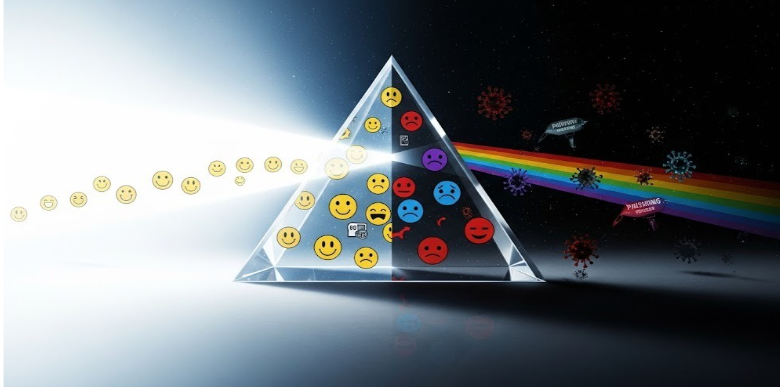
We figured there are a lot of upsides and downsides to social media. Mostly upsides (research material, ability to communicate across long distances, Youtube videos, etc.). There are some downsides, though (people lying and stuff, bot and troll accounts, viruses). By the way, this is our impression when we come across misinformation:

Exploring the Positive Side
We explored the positive side of social media. At first, we primarily saw it as a place for chatting and entertainment, but we wondered whether it could also help people learn or effect change.
We searched online for keywords such as “social media education” and “online social movements”. We found a Pew Research article about how young people use social media to participate in social welfare activities; we also saw a Kurzgesagt video demonstrating how online platforms spread knowledge.

Image: Screenshot inspired by Kurzgesagt’s video about knowledge sharing and quality learning online.
After exploring these, we realized social media can do more than entertain — It can connect, teach, and inspire. Next, we’ll look at the negative side and misinformation to compare both views
Looking at the Negatives
This week I was tasked to research the darker side of social media. Now there are several topics which I can not possibly cover here and all of them are very interesting to me. The topic that seemed very convincing and more appropriate as well as important to discuss was the topic of misinformation on the internet. Usually misinformation spreads very fast on social media platforms affecting real lives of users as a consequence and not in a good way. I started with searching for relevant articles and how misinformation affects the mass public in general.
After going through a couple of articles I realised that misinformation is way bigger problem than i thought. I have seen real life examples in my life before showing the classic case of being affected by misinformation but these articles took my understanding to another level. How it affects our behaviour, and how information is used especially false information to create a narrative, let it be political or something else.
This journey for me was very useful because I learnt how to be a responsible user on social media. I also learnt some helpful tips on how to distinguish fake news from factual information. Overall if i think about it it made me think more carefully and critically about the information I consume and share.
Solutions We Thought of
We looked at the solutions on how to use social media positively as well as how to spread awareness about digital literacy. Not only that, but we also got into why this is so important in terms of reducing the negative impact that social media can have on our daily lives. We did an online search and looked at this subject in three very specific areas.
There were three articles we came across, each connecting to the subjects really well. The first was a time well spent challenge that really outlined how social media can be used effectively. This was a great springboard into the next part of our research which revolved around finding out how we can spread awareness about digital literacy. The poster below, from the media smarts article we found on digital literacy 101, really helps with spreading awareness on the proper uses of social media.

After looking through these two articles we ventured further, by looking at some of the impacts social media has on society and how we can reduce those impacts being negative. We found a super helpful article from the Pew Research Center that really dove into these impacts and helped us work through some solutions. Ultimately, we learned a lot about our topic, and we will come out of this course changed people.