Blog Post #7 – Accessibility
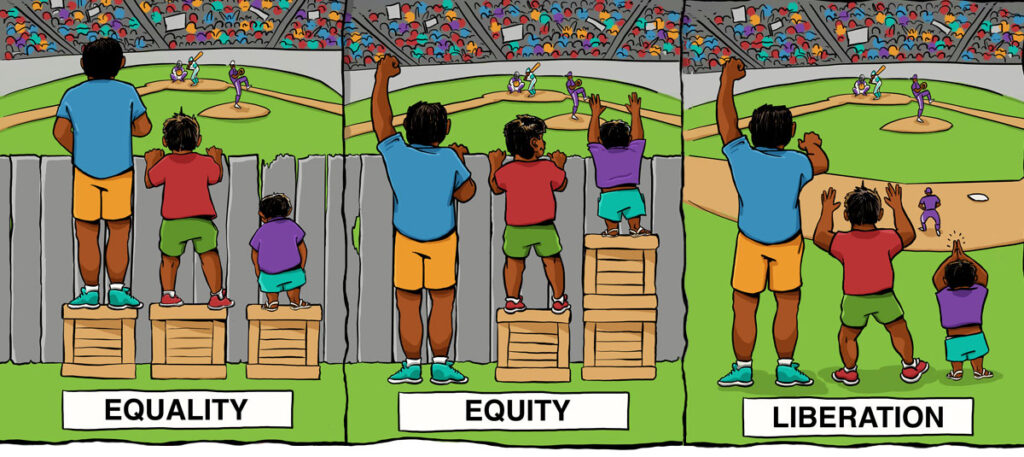
What is Accessibility?
Accessibility is the decision to make something more easily and readily available for people. In the context of learning, accessibility is a way to give learners the ability to learn new information and better themselves. According to Kat Holmes, there are three crucial inclusive design principles that “seek to remove barriers [through] the recognition that disability isn’t a lack of ability, it’s a mismatch between a person’s abilities and their environment” (Holmes, 2020). The below is a video example of what accessibility may look like for learners. The video goes over the experiences of 12 year old Graham, a learner with a dream of becoming a doctor. Unfortunately for him, he has a neurological condition that makes reading and writing difficult.
Kat Holmes’ Design Principles for Accessibility
Recognize Exclusion
The first principle is to “recognize exclusion.” This means solving problems by considering how others with less abilities may deal with the same issue. In learning, this becomes important because educators need to find a balance between teaching the learners, but also making the learning material accessible to everyone.
Solve for One, Extend to Many
The second principle is “solve for one, [and] extend to many.” The idea is to be inclusive in a way that benefits everyone. For example, instead of removing a video from the course website because one person is deaf, you can add captions to make watching the video easier for everyone. This creates more variety in the environment, while giving people with disabilities more opportunities.
Learn from Diversity
The third principle is to “learn from diversity.” This principle applies when testing out new ideas. Sharing ideas with others can grant you access to a variety of opinions. This helps the idea grow under scrutiny and constructive criticism. Overall, the three principles of inclusive design help make learning better for everyone.
References
Holmes, K. (2020). Mismatch: How inclusion shapes design. MIT Press. https://mitpress.mit.edu/9780262539487/mismatch/
Microsoft Education. (2022). Accessibility in Education [Video]. Youtube. https://www.youtube.com/watch?v=dN9Znrt7p0w